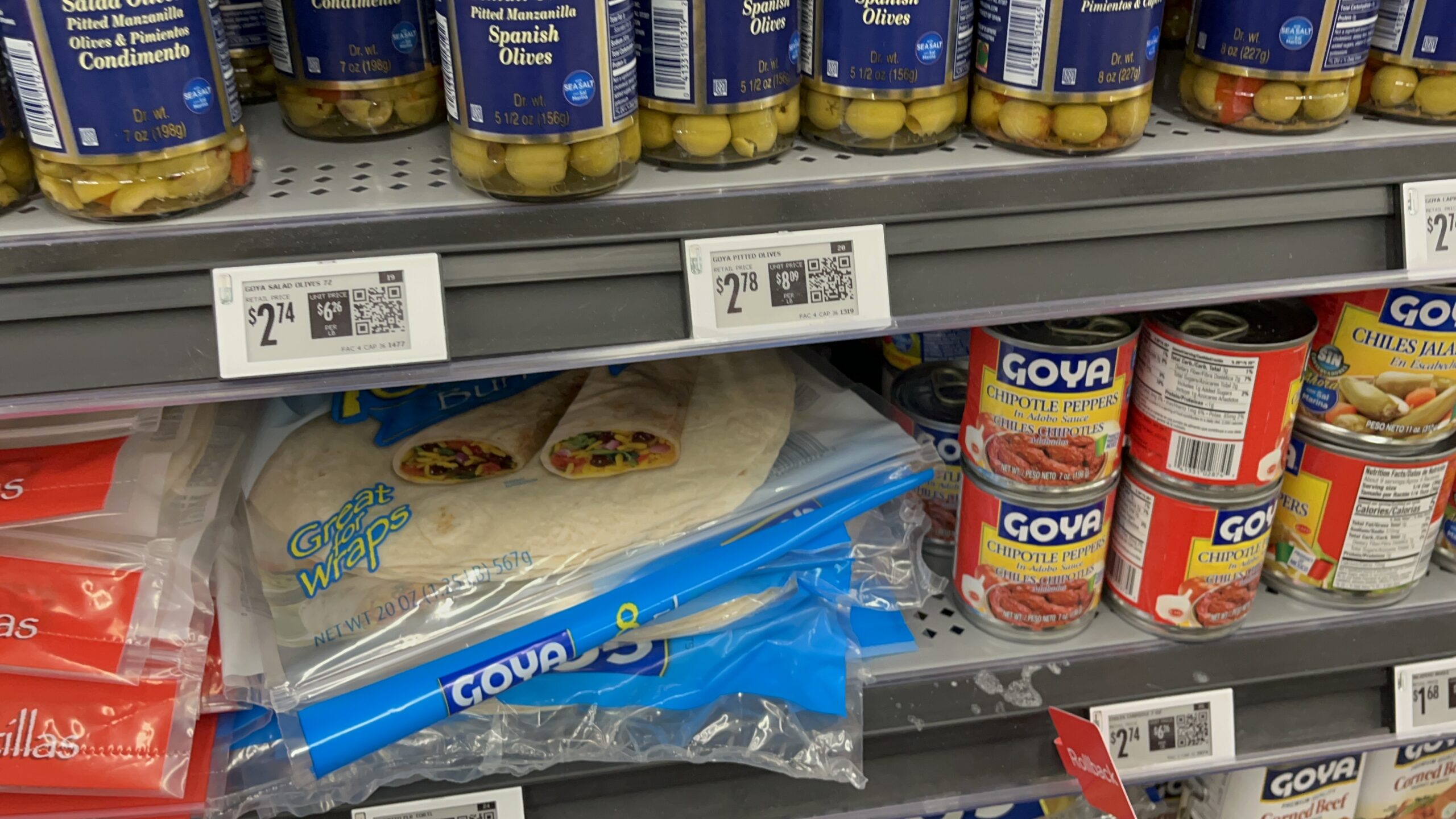
The traditional paper price tag at the grocery store is quietly disappearing, replaced by electronic shelf labels and sophisticated pricing software. As retailers adopt digital systems to update costs centrally, consumer advocates and shoppers are left wondering how prices are truly determined. Recent reports have shown instances where identical items varied across screens due to randomized pricing tests, raising questions about transparency. While major retailers like Walmart publicly insist they price products rather than individuals—pledging that income, shopping history, or urgency will not dictate what customers pay—the mere existence of these advanced tools creates a new kind of anxiety. Consumers already navigate an ecosystem of apps, digital accounts, and virtual coupons to secure discounts, inadvertently feeding stores detailed data about their habits. The shift moves us further from the simple reassurance of a static number on a shelf, highlighting a growing imbalance where retailers examine shoppers in exquisite detail while the rules of pricing remain opaque. Fuente: Salon.com #Groceries #Algorithms #Retail #ConsumerRights #Economy #TechTrends
También lo cubren: Salon.com (Estados Unidos).
Ver más en News Today