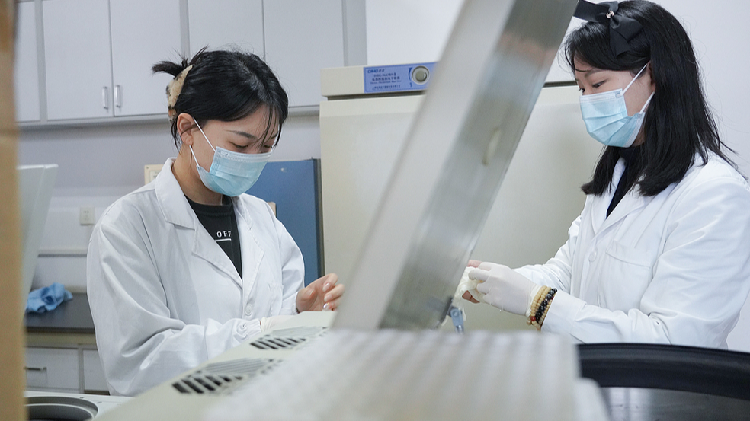
Chinese researchers have achieved a significant milestone in neuroscience, successfully reducing seizure frequency in three drug-resistant epilepsy patients by an average of 92.6 percent using an innovative method known as DREADDs, or Designer Receptors Exclusively Activated by Designer Drugs. The frontier technique involves altering specific receptors in the brain through a genetically-engineered virus and subsequently switching off a targeted part of the brain using a low dose of clozapine. According to the study, the approach demonstrated a favorable safety profile with only mild-to-moderate adverse events. The global scientific community was previously left in stunned silence when it was revealed at an NIH BRAIN Initiative meeting in Bethesda that Chinese laboratories had registered at least seven human trials utilizing DREADDs for conditions including epilepsy, Parkinson's disease, and chronic pain. Professor Brian Roth, the inventor of DREADDs, and other international experts like Professor Ewan St John-Smith from the University of Cambridge have acknowledged both the immense potential and the cautious trepidation surrounding this leap from bench to bedside. While traditional therapies of last resort for these conditions often involve surgically removing or ablating brain tissue, DREADD therapy could theoretically offer a reversible and far less invasive alternative. However, experts emphasize the need to carefully consider potential long-term issues associated with using viral vectors for delivery, as well as the risk of perturbing normal cellular homeostasis and altering the cellular environment. This development comes alongside other recent advancements in the region, including the approval of a brain implant for commercial use to assist individuals with spinal cord injuries. Observers note a broader transformation in the landscape of global neuroscience research over the past decade. Source: China #China #Neuroscience #DREADDs #Epilepsy #MedicalResearch #BrainScience
Ver más en News Today