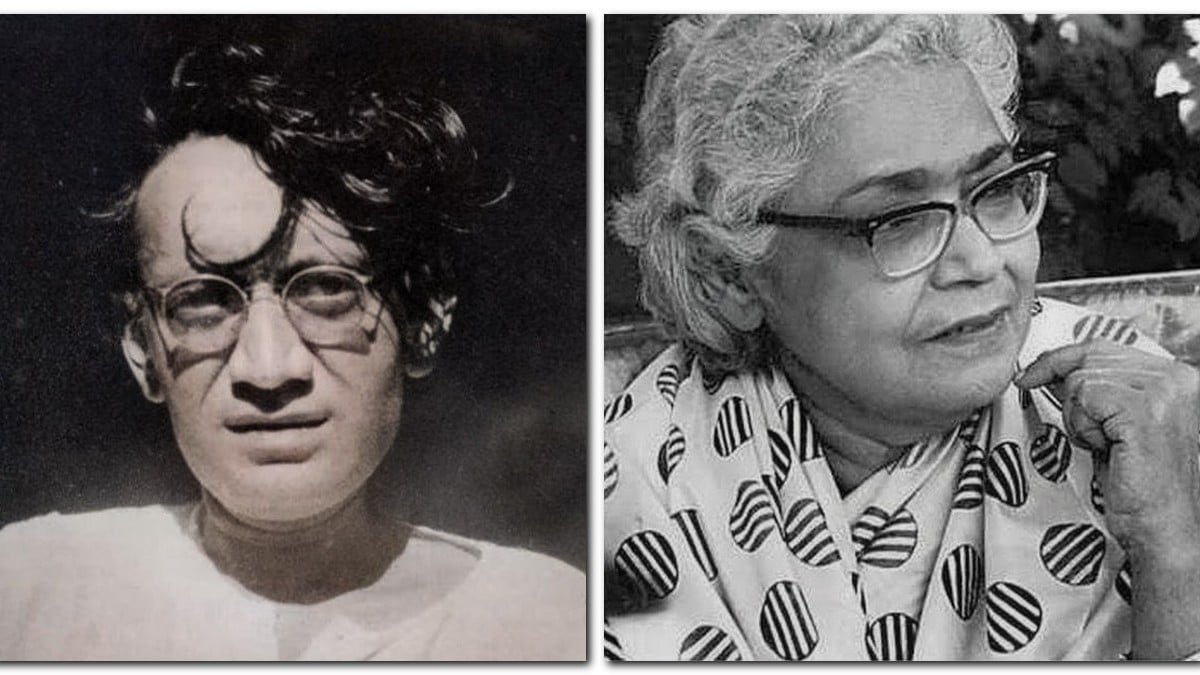
Eighty-one years ago, legendary Urdu storytellers Saadat Hasan Manto and Ismat Chughtai were charged with obscenity by British colonial rulers under the Indian Penal Code. In November 1946, they emerged as winners for free speech in landmark cases that continue to resonate today. The storyteller's craft in India is deeply tied to these two pioneers of modern Urdu fiction, who gave literary expression to social realities and altered the course of writing by giving voice to what was once considered unspeakable. Manto, born in Samrala and widely regarded as an exceptional short story writer, focused on laying bare the world around him, famously stating in court that a writer picks up the pen when sensitivity is hurt. Chughtai minced no words in baring the fault lines of a hypocritical society. During the 1940s, both caught the attention of colonial authorities. Chughtai faced scrutiny for her story 'Lihaaf', which touched upon same-sex love involving female protagonists, while Manto's 'Bu' explored psychological obsession and human desire. Based in Mumbai, the two writers travelled together to Lahore to face trial in 1945. They were defended by Hira Lal Sibal, an ambitious young lawyer in his thirties with a deep interest in literature and admiration for the authors, who would later become a legal legend and Padma Bhushan recipient. Supporters, including prominent writers like Faiz Ahmad Faiz, Rajinder Singh Bedi, and Ahmad Nadeem Qasmi, stood firmly by them. Sibal successfully argued that the authors' intention was to present human truths rather than promote immorality, establishing that individual words could not be judged out of context. Both authors were ultimately acquitted, with Chughtai receiving a modest fine due to prevailing prejudices against female writers tackling such subjects. Reflecting on the journey, Chughtai famously joked that she had merely gone to Lahore to buy traditional Punjabi juttis from Anarkali Bazaar. Source: Opinion Archives – ThePrint (India) #UrduLiterature #FreeSpeech #Manto #IsmatChughtai #History #Literature
Ver más en News Today