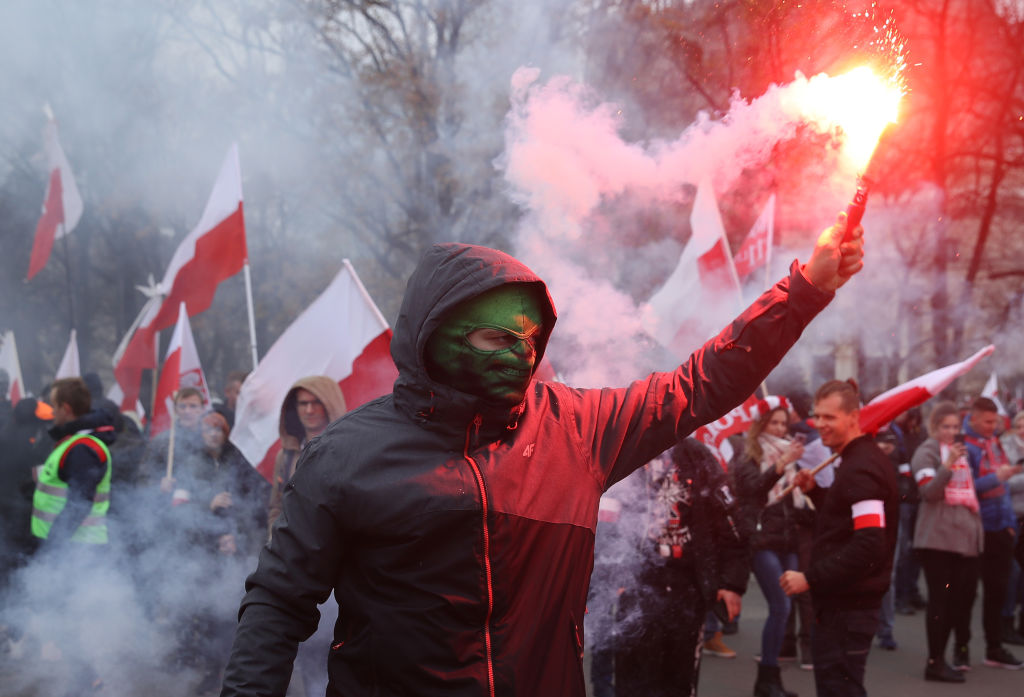
In Poland, a nation historically known for its ethnic homogeneity, a significant transformation is underway. Foreign-born residents now make up nearly 6% of the population, with cities like Warsaw and Wrocław seeing even higher percentages. This shift has sparked political tensions, with the hard-Right opposing the influx, while the centrist government highlights its controlled visa issuance. The change reflects a return to Poland's pre-modern multicultural roots, challenging the current political narrative. The town of Mikstat, where foreigners outnumber ethnic Poles, exemplifies this shift. Despite growing pains, residents have adapted to their multicultural existence. The influx of immigrants is reshaping Poland's social fabric, attracting refugees, political exiles, and workers as the domestic birth rate continues to lag. This new reality echoes an older, pre-modern reality — the melting pot that existed in the country before Nazi Germany and Soviet communism robbed Poland of its multiethnic complexity. Witold Ślęzak, who heads Mikstat's house of culture, notes the institution of 'the newcomer' that was once prevalent. As Poland's social milieu becomes more diverse, it will continue redefining what life and identity look like in the country's cities, regardless of political claims. #Poland #Multiculturalism #Immigration
También lo cubren: UnHerd (Reino Unido).
Ver más en NewsToday