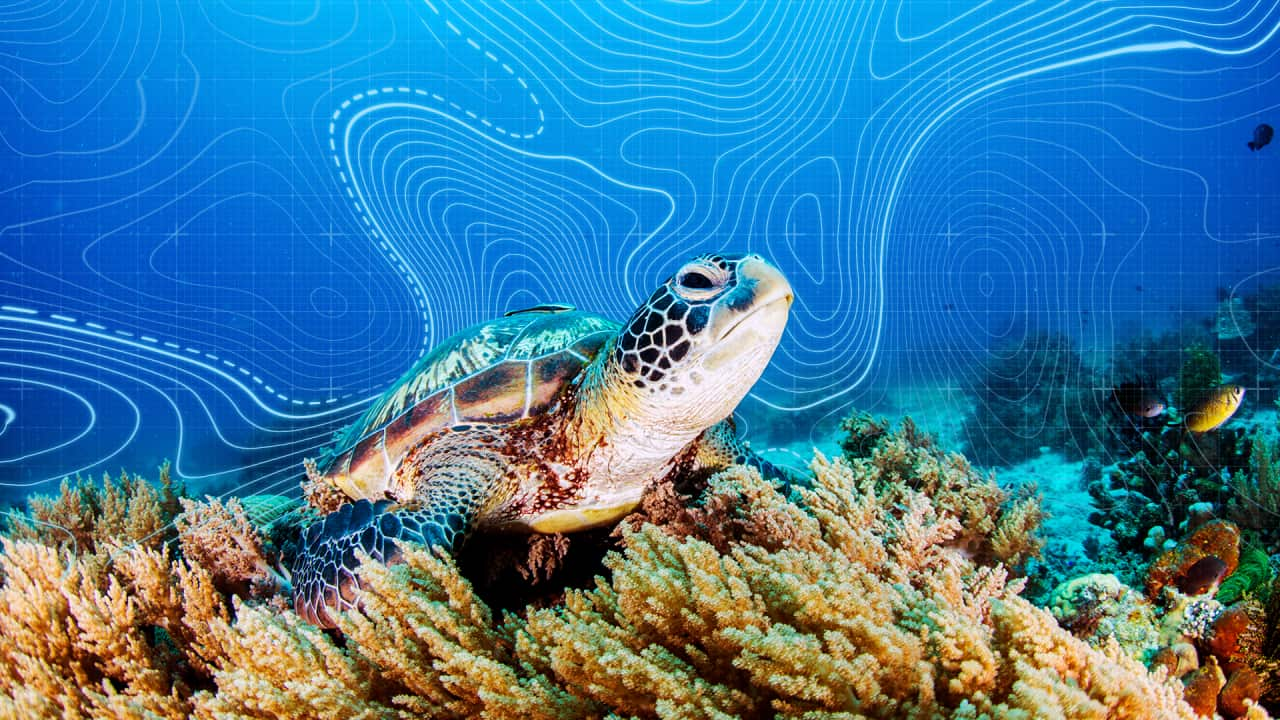
Australia stands as a global leader in marine conservation, having placed more than half, specifically 52 per cent, of its marine territory under protection. This milestone puts the nation well ahead of the international target to protect 30 per cent of the world's land and oceans by 2030, a historic commitment established in 2022 at the United Nations biodiversity summit in Montreal. Despite this achievement, with just four years remaining to meet that broader global commitment, experts and environmental advocates emphasize that serious questions remain regarding whether Australia's protected waters are delivering genuine ecological outcomes. These challenges were a focal point at the 17th UN biodiversity conference (COP17) in Yerevan, Armenia, where government officials, scientists, and advocates from 196 countries gathered to assess worldwide progress. The 2026 Ocean Protection Gap report painted a concerning global picture, projecting that the world will only protect 12 per cent of its oceans by 2030 at the current pace. Meanwhile, Australian advocates at the conference highlighted the nation's opportunity to spearhead international ocean protection, especially as Australia assumes a prominent role at COP31 in Türkiye. Australia's vast ocean territory features a network of more than 60 Marine Protected Areas (MPAs) spanning from tropical northern reefs to sub-Antarctic waters, providing crucial habitats for species like dugongs, dolphins, and turtles. However, protection levels vary significantly across the network, with only 24 per cent of the marine territory considered highly protected where commercial fishing and mining are banned. Critics point out that bottom trawling, a method involving heavy nets dragged along the seafloor, remains legal across nearly 13 million hectares of offshore Australian marine parks, an area almost double the size of Tasmania. Commercial trawlers are also permitted to operate in general-use zones of the Great Barrier Reef Marine Park to catch prawns, scallops, and squid. A once-in-a-decade review led by Parks Australia is currently updating management plans ahead of 2028 expirations, proposing changes for ecologically significant locations like the Norfolk and Lord Howe marine parks. Beyond national borders, international cooperation remains vital, underscored by discussions in Armenia regarding the High Seas Treaty, known formally as the Biodiversity Beyond National Jurisdiction (BBNJ) Agreement, which Australia ratified to safeguard marine life in international waters. Fuente: Latest News (Australia) #Australia #MarineConservation #Environment #Oceans #Biodiversity #HighSeasTreaty
Ver más en NewsToday