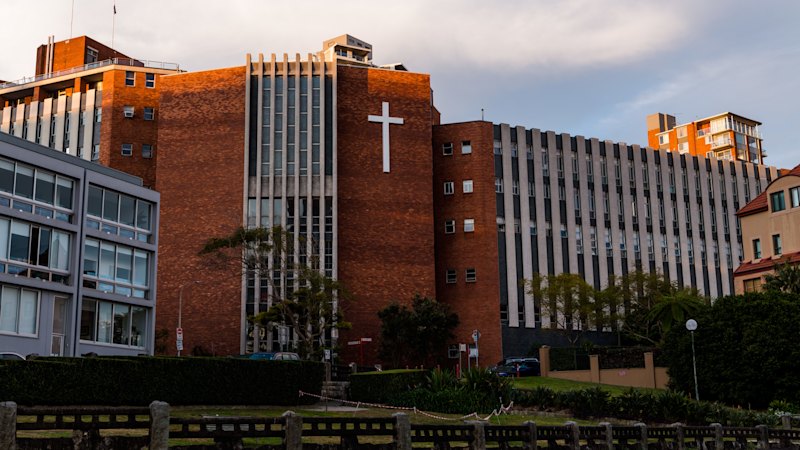
Families with children enrolled in some of Sydney’s top-performing private educational institutions are facing a substantial financial shock as school leaders announce upcoming fee hikes of ten percent for the next academic year, alongside warnings that even steeper cumulative increases are firmly on the horizon. The sharp adjustments come as schools grapple with a combination of rising operational pressures, including increased teacher wage costs, utility expenses, and services, alongside major shifts in government financial support. Specific institutions, such as St Aloysius’ College in Milsons Point and Rosebank College in Five Dock, have revealed the most significant percentage jumps. St Aloysius’ leadership warned families to brace for successive increases totaling a twenty-six percent rise over the next three years, driven by declining per capita Commonwealth funding and the ongoing financial commitments of maintaining new facilities like the Arrupe Building and the Rozelle campus. Furthermore, the college anticipates losing its annual Commonwealth funding entirely by 2029, as it is classified among approximately three hundred schools in New South Wales currently receiving more than their entitled share under the schooling resourcing standard. Similarly, Rosebank College announced a ten percent tuition rise after learning it will lose nearly two million dollars in government backing due to changes in the capacity to contribute funding model, which evaluates parental income through tax office data. With the government lifting a previous funding freeze, affected schools must absorb multiple years of funding reductions in a single budget cycle. While only a limited number of independent schools in Sydney have officially released their fee schedules so far, most announced increases continue to outpace the current rate of the consumer price index. Representatives from Independent Schools NSW emphasize that these mounting cost pressures, combined with rigorous funding adjustments, are leaving institutions with very few alternatives as they attempt to balance their long-term financial sustainability. Fuente: The Age - Latest News (Australia)
También lo cubren: Sydney Morning Herald - Latest News.
Ver más en NewsToday