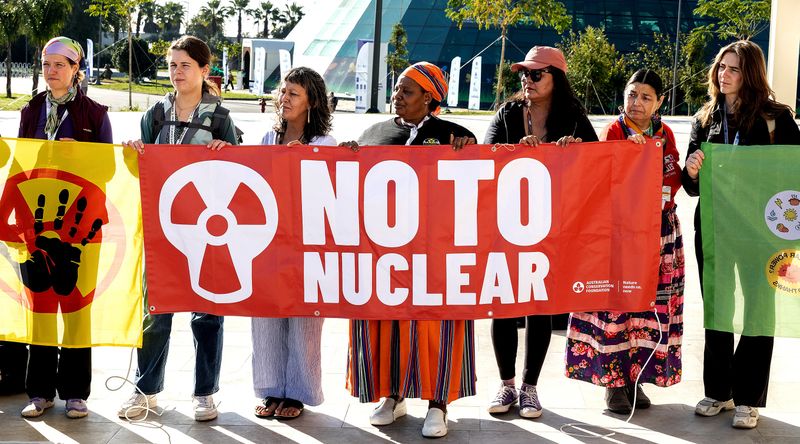
At the 31st Conference of the Parties (COP31) in Antalya, Turkey, South Africa's announcement of a plan to build 5.2 GW of new nuclear capacity has sparked significant controversy. While nuclear energy is being promoted as a clean, transitional energy source, activists are strongly opposing this move. South African activists have pledged to challenge the government's nuclear ambitions in court, citing environmental concerns and the long-term risks associated with nuclear waste. The South African Electricity and Energy Minister, Kgosientsho Ramokgopa, announced that Eskom had submitted a feasibility program for the new nuclear energy program, aligning with the country's Integrated Resource Plan (IRP) 2025, which targets 5.2 GW of new nuclear capacity by 2039. Despite the potential benefits of near-zero carbon emissions, traditional environmentalists argue that the creation of multimillennial toxic waste and the risk of land contamination contradict core sustainability principles, especially given the current affordability and speed of renewable energy deployment. EarthLife Africa's executive director, Makoma Lekalakala, described nuclear energy as a 'false solution' to the climate crisis, highlighting the environmental destruction and health impacts in areas where nuclear waste is stored. This legal and environmental battle underscores the complex and contentious nature of nuclear energy in the global climate discourse.
También lo cubren: Daily Maverick - Latest News.
🔗 Leer la noticia completa en dailymaverick.co.za - Daily Maverick - Latest News
Ver más en NewsToday