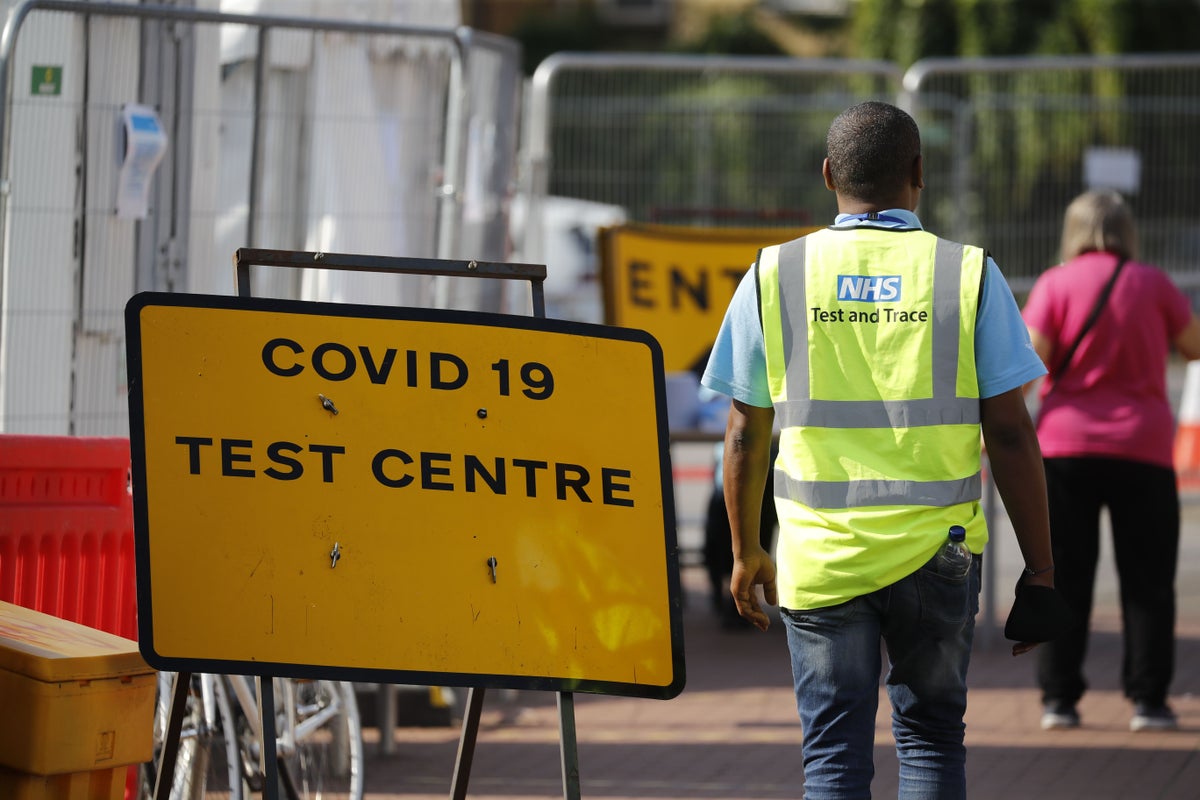
The official Covid-19 inquiry has concluded that the UK was 'not prepared' to execute a test, trace and isolate strategy at the start of the crisis, allowing the virus to spread 'virtually unchecked' during the initial three months. The findings highlight that although researchers developed an effective diagnostic test by mid-January 2020, 'there was no system of widespread testing, tracing or isolation for several months' and 'Covid-19 was allowed to spread with deadly speed across the country, virtually unchecked'. The report, compiled by Baroness Heather Hallett, also contained sharp criticism of the government’s approach to border management, stating that it diverged from international norms and exacerbated infection rates across the country. It stated: 'The decision not to implement widespread border control measures from the outset of the Covid-19 pandemic represented a missed opportunity by the UK government to try to slow the spread of infection by reducing the risk of imported cases.' Regarding diagnostic capabilities, Lady Hallett explained that community contact tracing and testing were abandoned in March 2020 due to shortages of tests, equipment and insufficient laboratory capacity. This inability to sustain population-wide screening meant the 'likelihood increased that more restrictive measures, such as lockdowns, would later be required'. For one week during the pandemic, some 7 per cent of UK adults – around 4.5 million people – were self-isolating, which had a “significant impact” as large numbers of people were temporarily unable to work, according to a new report from the UK Covid-19 Inquiry. The report said the economic impact of the pingdemic was ‘greater than initially predicted’. In the foreword to the 245-page document, Lady Hallett noted that early attempts to suppress the virus 'were doomed to fail' because the UK’s test, trace and isolate framework was equipped to handle only a small number of cases. 'As the number of cases began to rise exponentially, capacity for testing, tracing and isolation was soon overwhelmed,' she said. She added that the 'UK entered the Covid-19 pandemic woefully ill-prepared to implement effective, nationwide test, trace and isolate systems'. When they realised the scale of the crisis, ministers 'invested considerable time, effort and resources in developing a scaled-up system' to meet the demands of a pandemic and, once established, 'it was extremely effective'. The report added: 'However, their initial efforts were hindered by the lack of planning, a lack of knowledge of the existing testing capabilities of the private and public sectors, and a failure to work with them and local authorities with expertise in contact tracing.' By contrast, other countries, including Singapore, Australia and Germany, were 'comparatively better prepared to respond to the emergence of Covid-19'. The report said: 'These countries experienced markedly lower death rates than the UK during the first six months of the pandemic.' Turning to travel, Lady Hallett said a 14-day self-isolation requirement for all incoming travellers to the UK 'could have had a significant impact'. Even suspending all flights from China to the UK in February 2020 could 'have provided valuable additional time to prepare healthcare systems for the impact of the pandemic', she argued. The report added: 'The decision to allow virtually unrestricted international travel in the first six months of 2020 came at a time when the UK had no mass testing or widespread contact tracing and its healthcare resources were stretched thin.'
Ver más en NewsToday