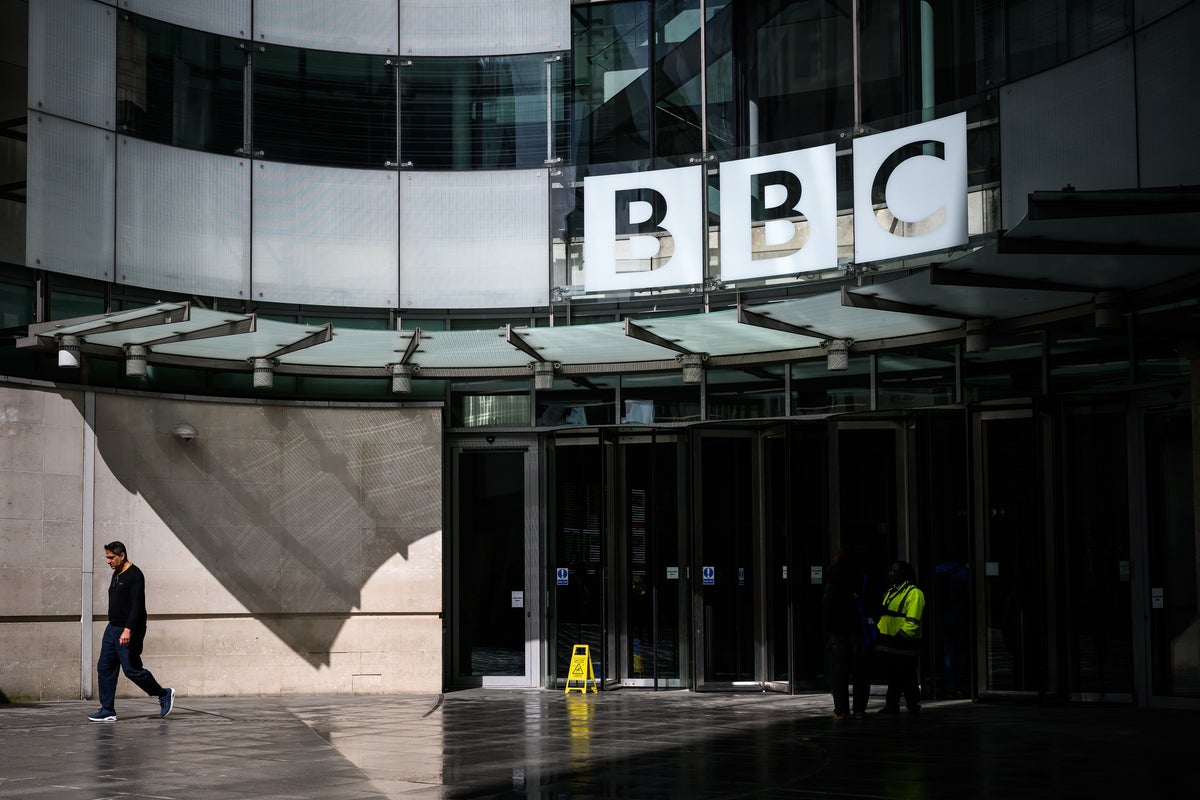
The BBC is preparing for further staff redundancies and more visible programming cuts as it seeks to secure a further £500 million in efficiency savings, according to a new report. The corporation has previously outlined proposals to eliminate roughly 1,800 positions and close a selection of radio and television services while managing severe financial constraints. According to a review by the National Audit Office (NAO), the broadcaster expects to deliver its existing £700 million savings and reinvestment target a full year ahead of schedule. However, the public spending supervisor warned that the next round of cost-cutting measures will be considerably harder to implement effectively. The NAO highlighted that the current strategy, lasting until March 2029, is projected to shrink the BBC workforce by about 11 per cent compared to March 2026, coupled with additional adjustments to its output and services. These pressures stem from declining licence fee revenue, escalating production costs, shifting audience consumption habits and heightened rivalry from commercial streaming platforms. The report noted that licence fee income fell by 26 per cent in real terms from 2016-17 to 2025-26, pushing the public service broadcasting operating deficit to £209 million in 2025-26. The proportion of UK adults using BBC television, iPlayer, radio or online services on an average week also fell from 90% in 2021-22 to 81% in 2025-26. The BBC has already announced plans to reduce spending by around 10%, including cuts to programming across its news, nations and content divisions. Its cost-saving measures include the decision to cancel programmes such as Celebrity Mastermind, Blankety Blank and Live At The Apollo, alongside the closure of Radio 4 programmes including The World Tonight. The corporation has also announced plans to close the linear broadcast services of BBC Radio 4 Extra, BBC Three and BBC Scotland, with the latter two set to become online-only channels. The NAO said the BBC expects to face difficult choices about the scale and scope of its services as part of its latest savings programme, with further content reductions expected to have a greater impact on audiences. It warned the corporation was likely to find it harder to identify further savings following its previous cost-cutting programmes. Unlike its existing £700 million programme, which has allowed the corporation to reinvest savings in services including iPlayer and digital news, the new £500 million target will focus on reducing its funding gap and improving its long-term financial sustainability. The BBC had reinvested £489 million from its existing savings programme by March 2026, while the number of accounts using iPlayer on an average week increased from 12.1 million in 2021-22 to 15.4 million in 2025-26. However, the NAO found the broadcaster had not properly monitored the cumulative impact of its previous savings on audiences, service quality and organisational capability. It also raised concerns about the BBC’s risk management and governance arrangements, and said stronger oversight would be needed to deliver the more demanding savings programme. Gareth Davies, head of the NAO, said: “As the BBC approaches charter renewal in just over a year’s time, there is no doubt that there are difficult choices ahead.”
Ver más en NewsToday