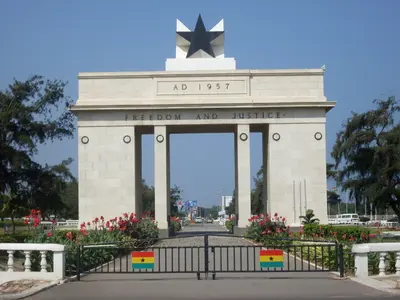
Decades after independence, African nations still face economic and military asymmetries. An analysis explores whether continental nuclear deterrence is the missing key to true sovereignty and agency. Ghana, celebrating its 70th anniversary of independence, exemplifies the struggle for true independence. Despite political freedom, African nations often find their destiny dictated by former colonial rulers or powerful nations. Kwame Nkrumah warned of the illusion of independence and indirect control. To achieve true agency, nations must possess the power to define and make their aspirations materialize. For African nations, this power could grow out of nuclear armament. Conventional wisdom might mark this statement as radical, controversial, outlandish and even dangerous. Yet there is no clear reason why nuclear deterrence is treated as a legitimate national security instrument for the United States, Israel and Russia but viewed differently when placed in the African context. A nation’s ability to protect its sovereignty extends beyond protecting imaginary borders. It also includes protecting its citizens from predatory treaties and agreements that enrich other nations while leaving its own citizens in various stages of poverty. Fair negotiations can be accomplished only when both nations are acting from a position of implied power. And for African nations, power will grow out of nuclear armament. Fuente: The Mail & Guardian
También lo cubren: The Mail & Guardian | Africa's Better Future, The Mail & Guardian | Africa's Better Future (Sudáfrica).
🔗 Leer la noticia completa en The Mail & Guardian | Africa's Better Future - Index.Xml
Ver más en NewsToday